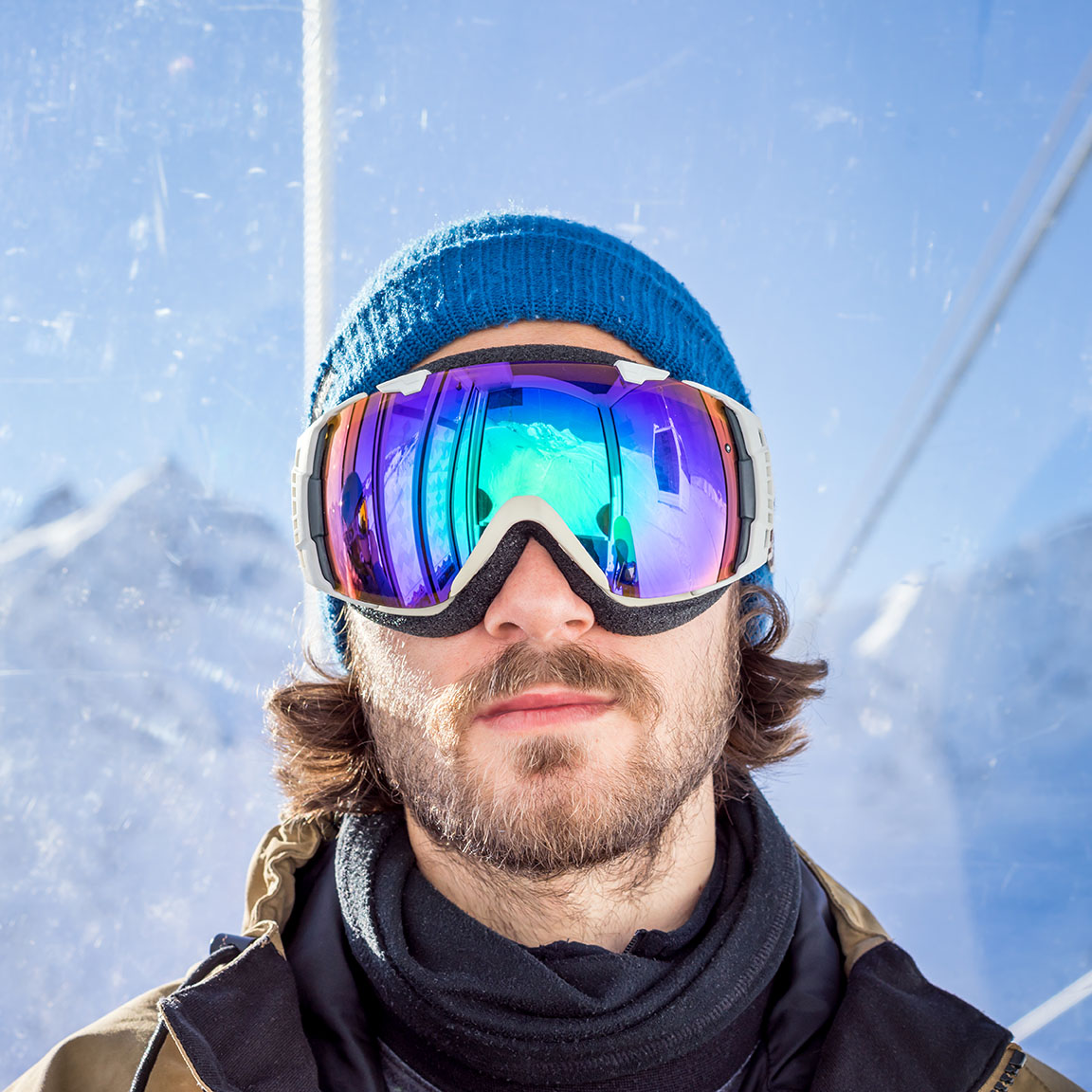
Why I Almost Left the Camera
The day I nearly left the camera behind was on the Col du Galibier, day two of the alpine cycling route. It was 6 a.m. and the panniers weighed 23 kilograms and I was standing in a car park deciding what to take. The camera bag — Sony body, two lenses, two batteries, four memory cards — weighed 1.4 kilograms. Not much, in isolation. But at that point in the morning, looking up at the switchbacks ahead, every gram was a decision.
I took it. I have never once, at the end of a trip, regretted bringing the camera. I have, on several occasions, regretted not being sufficiently present while I was using it. Those are different problems with different solutions, and conflating them is the source of most of the "leave the camera home" arguments you'll read from people who are tired of being asked to photograph things at inconvenient moments.
What I Carry and Why
The system I've settled on after six years of iteration: a Sony A7C II with the 20mm f/1.8 G as the primary lens, and the 85mm f/1.8 when I know I'll be shooting people or wildlife at a distance. That's it. No zoom, which is the controversial part of this setup.
The argument for a versatile zoom (24-105mm, say) is range and flexibility. You can shoot landscapes and compress the middle-distance and get medium telephoto all from one lens. The argument against, in a mountain context, is that a good zoom weighs between 700g and 1kg and a prime — a sharp, fast one — weighs 200–400g. Over six days, that matters. More importantly: shooting with a fixed focal length is a discipline. You have to move to compose. You have to commit to a perspective. You can't zoom your way out of a bad position.
The Peak Design clip system attaches to a pack strap and keeps the camera body accessible without having to open a bag. This matters because the shots that disappear in the time it takes to unpack a camera are exactly the shots you came for: the condor banking overhead, the light catching a snowfield for thirty seconds before the cloud moves back in.
The Patient Hour
I learned about light patience from a landscape photographer I met in the Lofoten Islands who was waiting at a specific rocky point for the third consecutive evening. The light he wanted — a particular combination of cloud diffusion and low angle sun that would illuminate a sea stack differently from how it normally appeared — had not materialized on the first two evenings. He was back for a third attempt. He had no guarantee. He waited with a thermos and a patience I found almost incomprehensible, having a deadline and somewhere to paddle the next morning.
He got his shot on the third evening. I know because I was nearby, and the light that came was unlike anything I had seen from the water during the previous week. It lasted eleven minutes.
"A photograph taken at the cost of the experience is a bad trade. Most of the time."
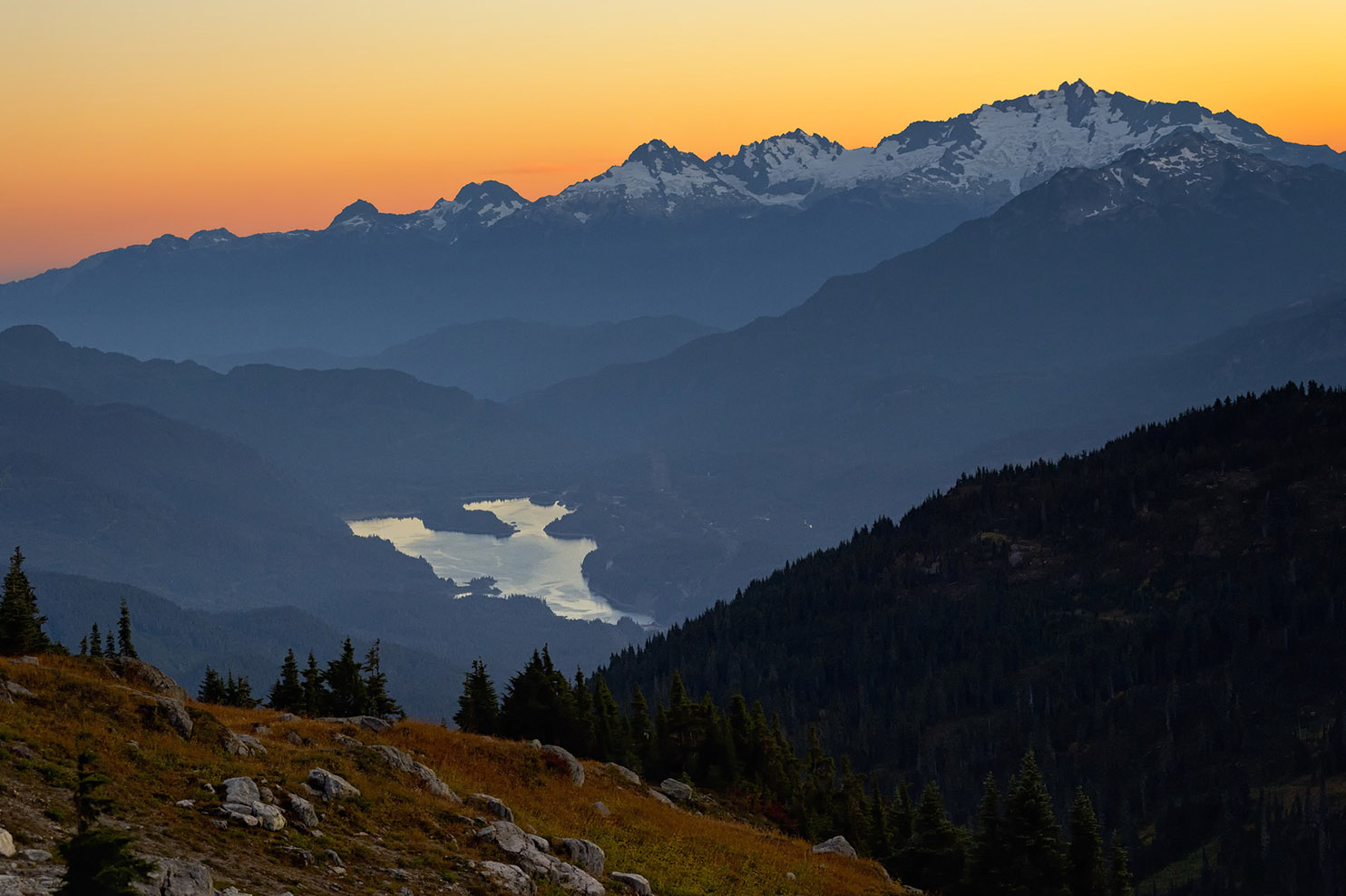
The discipline of doing nothing — of waiting for light, sitting with a composition for twenty minutes instead of taking the obvious shot and moving on — is the actual skill in outdoor photography. Equipment matters, but a patient amateur with a phone camera in the right light will outperform an impatient professional with a medium format system in flat midday light every single time.
What the Photograph Costs You
The trade-off is real. The moment you raise a camera, you step slightly outside the experience and into documentation mode. This is not always a problem — some experiences benefit from the attention that photographing them demands. But sometimes it is. The twenty minutes I spent trying to photograph the glacier calving in Patagonia were twenty minutes I was not simply watching the glacier calve, which is — without a camera — a complete and sufficient thing to do.
The formula I use now, imperfectly: if the experience is primarily visual and static (landscape, light on rock, a wide valley at dawn), the camera earns its place. If the experience is primarily physical, social, or ephemeral — the moment of reaching a summit with three other people, a conversation at a mountain hut, the feeling of cold water on your face after a long climb — put the camera away and be in it. The photograph of that moment will be worse than the memory anyway. Usually.
Technical Failures You Will Have in the Field
Cameras fail in cold, in wet, and when you need them most. I've experienced all three. The most useful lesson came in the Lofoten in October, when my camera body fogged internally after a rapid temperature change — I'd moved from a warm hut into 2°C air with the camera out and active. The moisture condensed on the internal elements before the body could equilibrate. The camera was effectively blind for twenty minutes while I waited in a dry bag for the fog to clear, and the light I'd positioned myself for disappeared in that window.
The protocol that now prevents this: keep the camera in the bag when moving between significantly different temperatures, and let it equilibrate for ten to fifteen minutes before shooting. It feels counterintuitive when you want to be ready, but a clear sensor in five minutes of good light beats a fogged one for the whole event. Cold also drains batteries far faster than the manufacturer's rated performance — at -10°C, a battery that reads 80% at room temperature may give you thirty shots. Carry more batteries than you think you need, keep them close to your body, and swap them when they read low rather than empty.
Lens condensation on the front element is the other common failure. The fix is a UV filter — less expensive to wipe down than a coated prime lens, and replaceable if scratched. Microfibre cloths in sealed bags. And patience: never wipe a wet lens vigorously. Blot, then wipe. Rushing causes scratches.
Post-Processing as Part of the Field System
Editing in the field is not a luxury. It is information. Reviewing images in the evening — not scrolling, but actually examining focus, exposure, and composition — tells you what to do differently the next morning. The shots you thought worked in the field often don't hold up on a larger screen; the shots you dismissed often have something. This review takes thirty minutes and changes what you do with the next day's light.
I shoot RAW exclusively in the field because I have made the mistake of shooting JPEG in uncertain light and lost images that were technically recoverable from RAW files. The storage cost is now negligible — a 128GB card costs almost nothing and a decent portable hard drive weighs under 200g. There is no good argument for JPEG in adventure photography unless you need immediate JPEG output for same-day publication. If you're writing and shooting for later editing, RAW is non-negotiable.
Backup in the field is one more piece the gear lists rarely include: copy your memory cards to a portable drive at the end of each day. The card in the camera, the backup drive in the pack. If the camera goes off a cliff, you still have the images. If the drive fails, you still have the cards. Two copies, different physical locations. This is not paranoia. It is the same redundancy you apply to navigation and water systems. Your images deserve the same.
What We Carried
- Full-frame mirrorless body (compact form factor) — weather-sealed but not waterproof; use rain cover in real precipitation
- 20mm f/1.8 prime lens — primary lens for landscape, low-light, and wide environmental portraiture
- 85mm f/1.8 prime — wildlife, compressed landscapes, people in terrain; deployed for roughly 30% of shots
- Camera clip system mounted to pack strap — body accessible in under three seconds without opening a bag
- Three batteries per body — one in camera, one in jacket pocket, one charging in camp
- 128GB memory cards × 3 — one active, two backup in waterproof card case
- Portable SSD (500GB, bus-powered) — nightly card backup, 160g including cable
- Microfibre cloths × 3 in sealed ziplock bags — never leave camp without one accessible
- Compact flexible tripod — for long exposures and self-portraits; heavier ball-head tripods stay home
- UV filter for each lens — protects front element, easy to wipe and replace