Wild Ethics
Leave It Wilder
Every route, every story, every photograph — made with one rule: the wild should be better for us having been there.
Wild Ethics
Zero Trace
We follow Leave No Trace principles on every trip: pack out everything, camp on durable surfaces, build no fires where prohibited. When we photograph a location, we don't share GPS coordinates for fragile ecosystems. The wild doesn't owe you a photograph.
Respect Access
We work with rangers, land managers, and local communities before we go. We don't publish routes that cross private land without permission. When access is under threat, we say so — and we don't pretend our presence doesn't affect it. Good access requires good behaviour.
Defend the Wild
We support conservation partners and access rights organisations. A portion of every subscription goes to land access campaigns. If a place we've written about comes under threat — development, closure, pollution — we cover it. Documenting adventure without defending wild places is hollow.
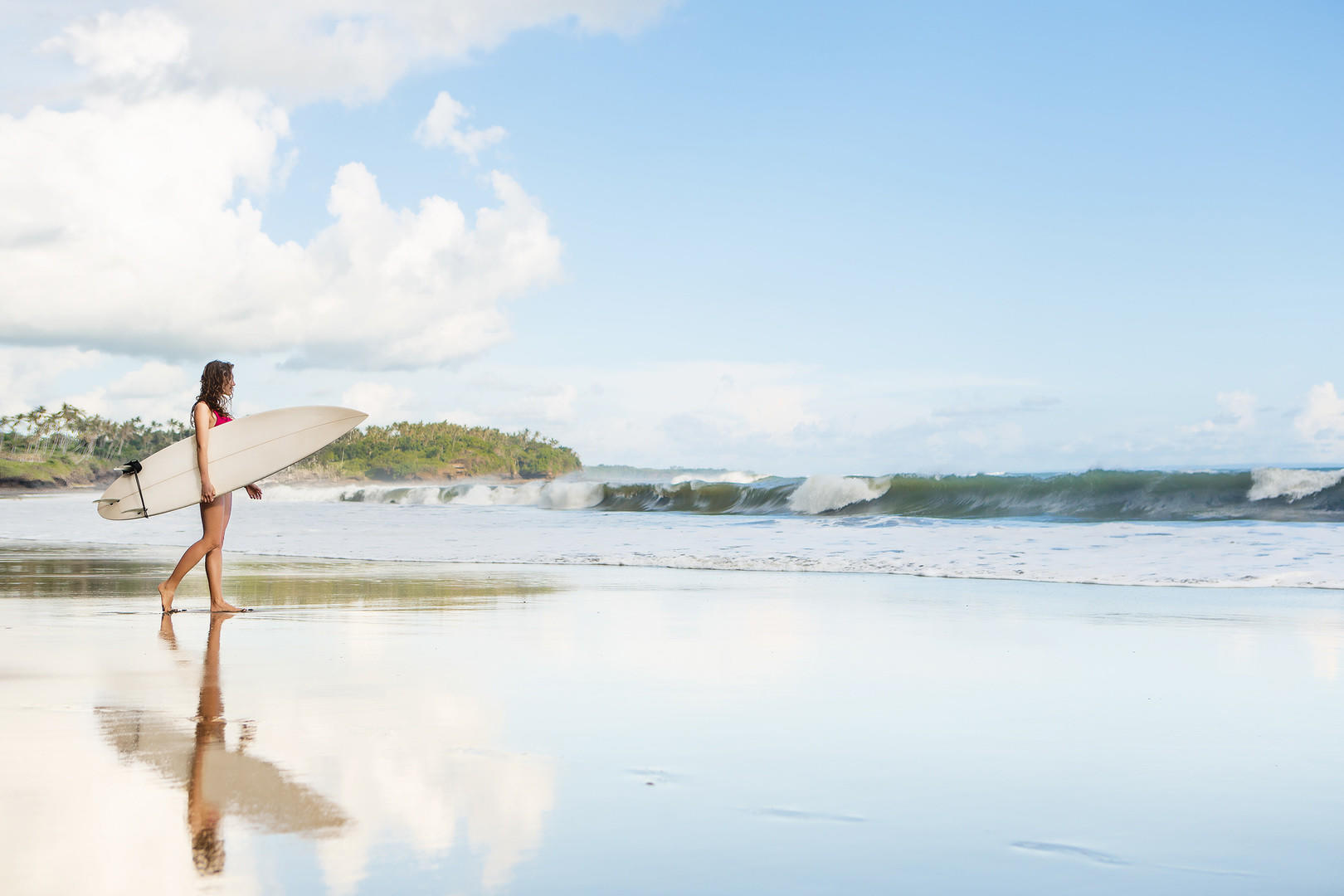
Reading a River: Access, Ethics, and the Joy of Wild Water
Wild swimming is one of the most contested access issues in outdoor recreation. Morgan L. has been swimming rivers for a decade and knows every argument — from the riparian rights debate in England to the open-water traditions of Scandinavia. This is the honest version: where you're welcome, where you're tolerated, and what you owe the water either way.
The Adventurer's Responsibility
Adventure travellers access places that most visitors will never see. They move through wilderness at altitude, across river systems, into desert interiors and polar margins that exist largely beyond the infrastructure of managed tourism. This is the appeal. It is also the problem. The further from the managed path, the more fragile the terrain — and the more consequential every individual choice about how to move through it. Popular trails carry visible evidence of their popularity. The W Circuit in Torres del Paine has sectors where the soil alongside the formal track is bare for five metres on either side — decades of bootfall from people who stepped off the path to let someone pass or to take a photograph. Annapurna Base Camp receives upwards of 100,000 visitors a year through a narrow valley corridor. In the Lofoten Islands, beaches that were unknown to most foreign visitors a decade ago now host overnight camping from June through August with no management framework in place. These are not distant or hypothetical problems. They are the direct consequence of documented adventure travel — including adventure media that publishes routes and photographs and access notes. This is the paradox that WKND sits with honestly: by writing about wild places in detail, we contribute to the visitation those places receive. A route guide that makes an objective easier to find will be used. That is its purpose. We do not resolve this paradox by pretending it doesn't exist. Instead, we resolve it through editorial decisions about what we publish and how. We don't publish GPS coordinates for fragile ecosystems. We flag permit requirements prominently and explain the management rationale behind them rather than treating them as bureaucratic obstacles. We don't romanticise off-trail travel in ecosystems where it causes measurable damage. And we describe, accurately, the current state of the places we write about — including their deterioration where that is the honest account. The cumulative impact argument is sometimes dismissed by individual travellers as unfair — "I was only there once, for four days." The logic is correct in isolation and false in aggregate. A camp on an alpine meadow recovers in a single season if it happens once. The same camp repeated by 400 parties across a summer does not recover in that season, or the next. The impact of mass adventure travel is invisible in any individual act. It is only visible across the full range of behaviour, across a full season, across multiple years. This is why personal conscience, while necessary, is not sufficient. The systems — permits, seasonal closures, designated campsites, restoration programmes — exist because individual good intentions do not add up to collective protection without structure. WKND's editorial position is this: we publish routes responsibly, we support land management systems rather than circumventing them, and we treat our relationship with wild places as a long-term commitment rather than a series of one-off visits. This is not a marketing position. It is the condition under which we think adventure writing is worth doing. The wild existed before we arrived and will exist after we leave — the question is whether we narrow the margin between those two states or widen it.
The WKND Wild Ethics
Tread Softly
Stay on the marked trail whenever one exists. When no trail exists, disperse your route rather than following in single file — concentrating footfall in a single line creates a new trail faster than any other behaviour. Camp on hardened surfaces: rock, gravel, dry grass that shows no sign of being a wet meadow in wetter weather. The 70-metre rule for sanitation (200 feet from any water source, trail, or camp) is the minimum standard; in high-use areas or above treeline, it should be treated as the floor, not the ceiling. Dig a cat hole 15–20 cm deep and pack out toilet paper — it does not biodegrade in dry or cold environments.
Leave No Trace
Pack-in pack-out applies without exception. This includes food waste — apple cores, orange peel, and nut shells do not biodegrade in alpine or desert environments within a human-relevant timescale, and habituate wildlife to human food sources. In alpine environments above 3,000m, human waste must be packed out using a WAG bag system in many protected areas; check the specific regulations before you go, because "I didn't know" is not a defence to a ranger and is not a defence to the ecosystem. Burn bans exist for reasons — grey ash scars on rock take decades to disappear and the psychological experience of arriving at a pristine site to find a fire ring is not a small thing.
Respect Wild Inhabitants
The minimum disturbance distance for large mammals (bears, mountain lions, bison, wolf packs) is 100 metres; for raptors and large wading birds during nesting season, 300 metres — and at that distance, if the animal changes its behaviour, you are still too close. Many alpine routes have seasonal closures for lammergeier or golden eagle nesting that run from January through June; these closures are not advisory. Noise in sensitive habitats matters beyond what you observe directly — a pair of hikers talking loudly through a forest is suppressing wildlife activity in a radius they cannot see. This is not a reason to be silent, but it is a reason to be deliberate.
Places That Need Our Care
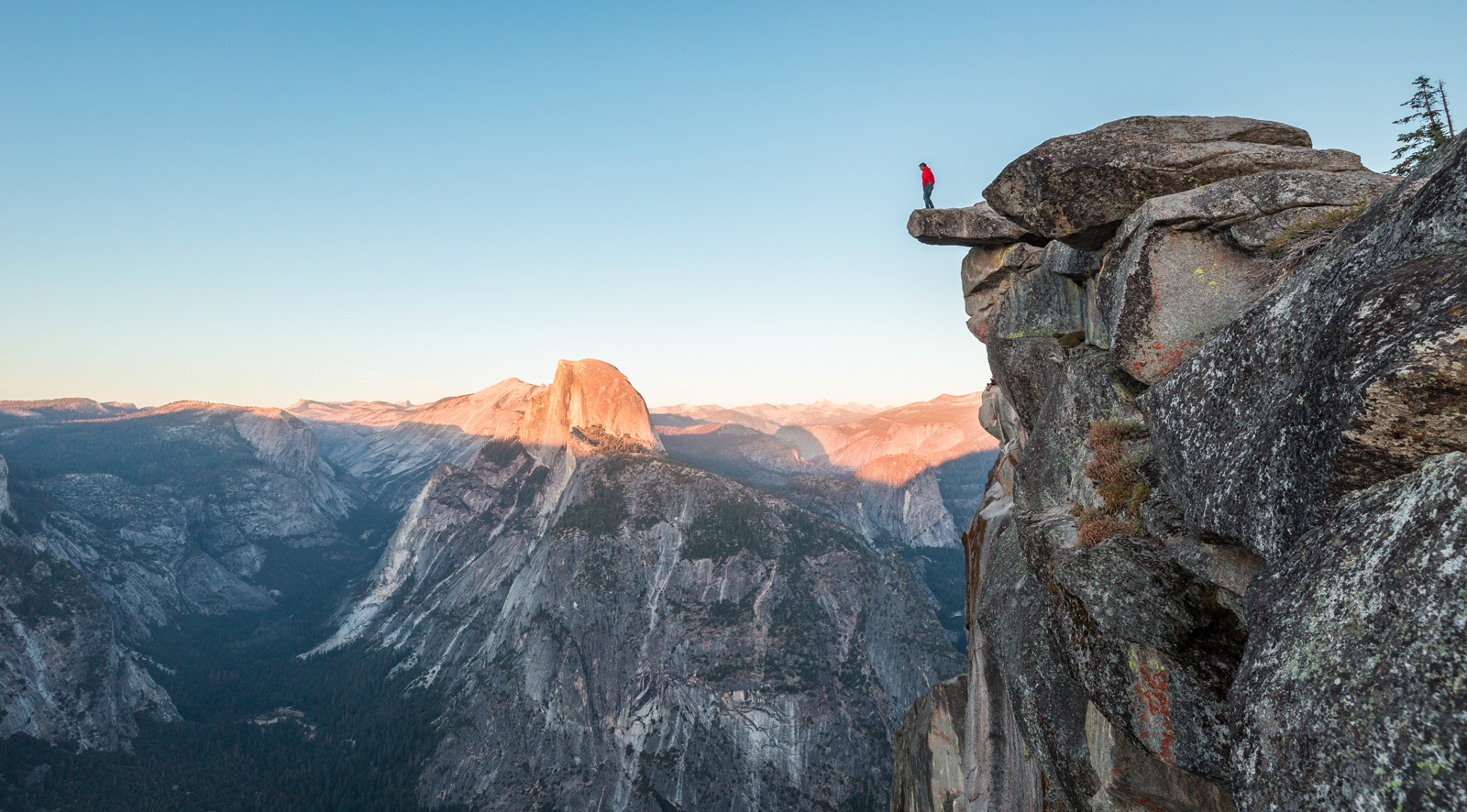
W Circuit: 9 Days, 115 km
A full account of the W Circuit in Torres del Paine — permit strategy, daily stage breakdowns, refugio conditions, and the one weather window that made it worth every hour of planning.
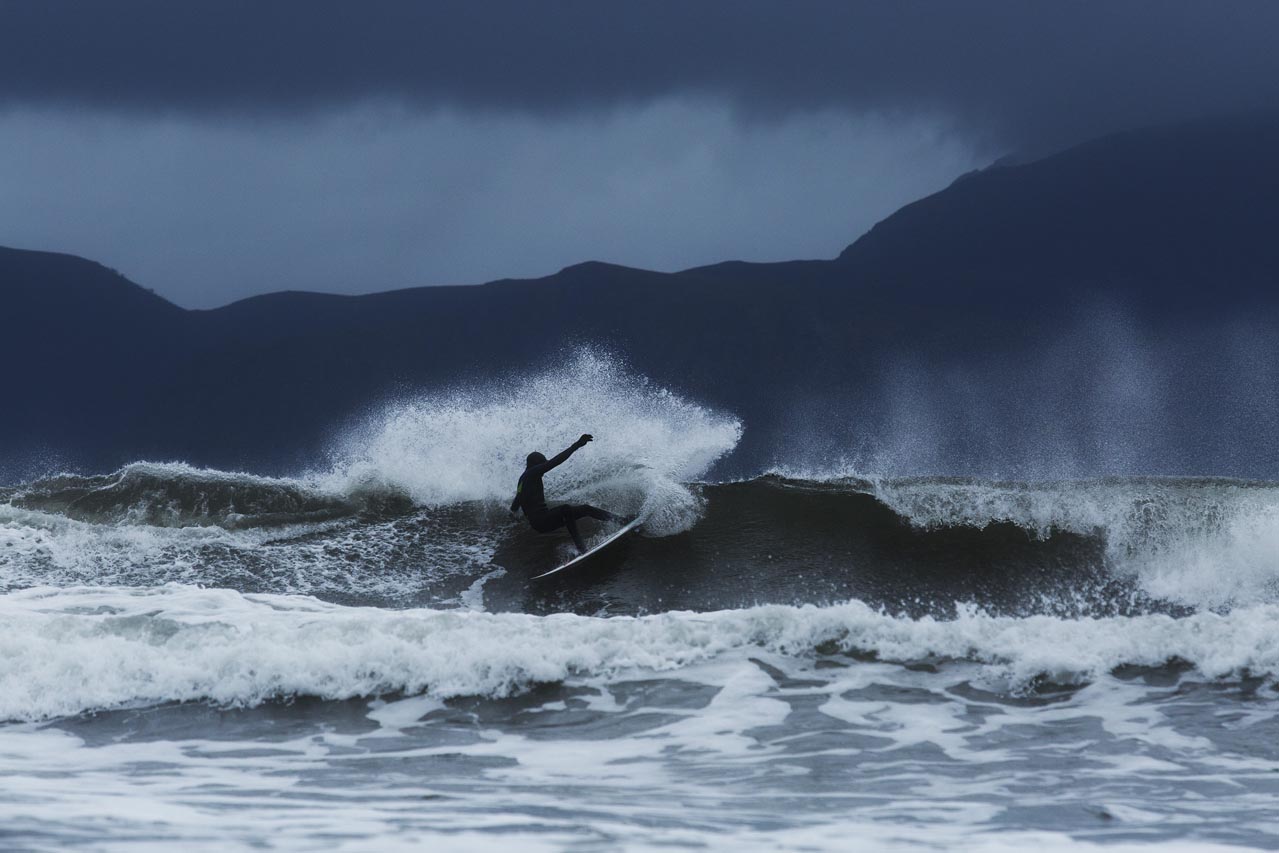
Lofoten Islands: Arctic Surfing and Swell
Seven days surfing between the Lofoten peaks — swell windows, cold-water preparation, and why Unstad produces some of the best Arctic waves in Europe.
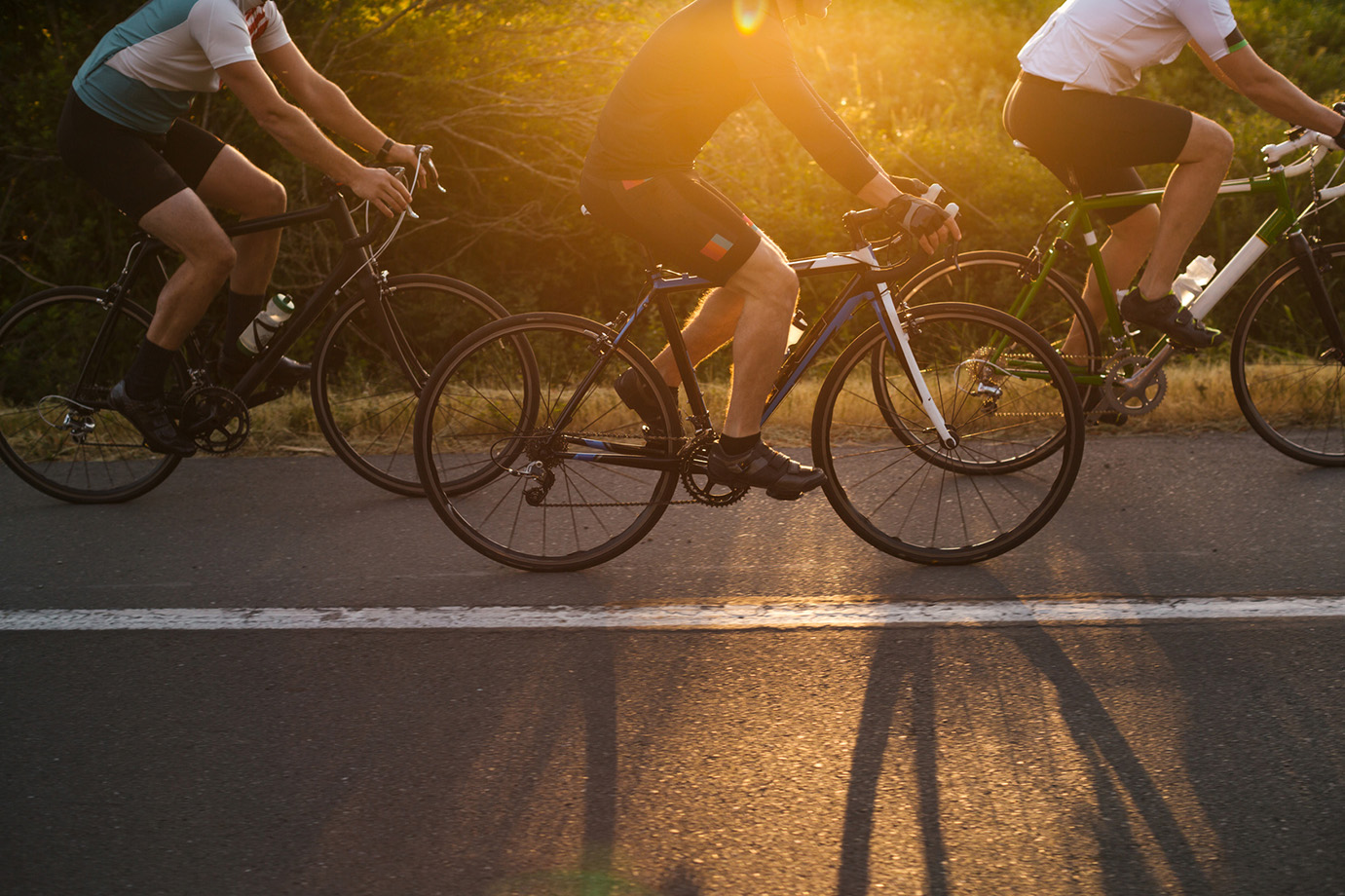
Six Days Through the High Alps by Bike
Stelvio, Gavia, Mortirolo, Gavia again — a self-supported traverse of the highest road passes in the Alps with notes on resupply, surface conditions, and which climbs to ride at dawn.
Practical Steps for Every Adventurer
These are specific actions, not principles. The principles are upstream. These are what the principles look like on the ground.
This is not optional.
We take a hard line on this. Wild ethics are not a brand value — they are the condition under which we operate. The wild exists without us, indifferent to whether we show up or not, and it will survive our absence longer than our presence. The privilege of access comes with responsibility that is non-negotiable.
Every person who visits a wild place either contributes to its protection or its erosion — there is no neutral ground. Documenting adventure without protecting the places where it happens is hollow. We refuse to separate the story from the ethic. That is the WKND pledge, and it is not up for revision.
"The mountain doesn't owe you a summit. The river doesn't owe you a swim. We go as guests."