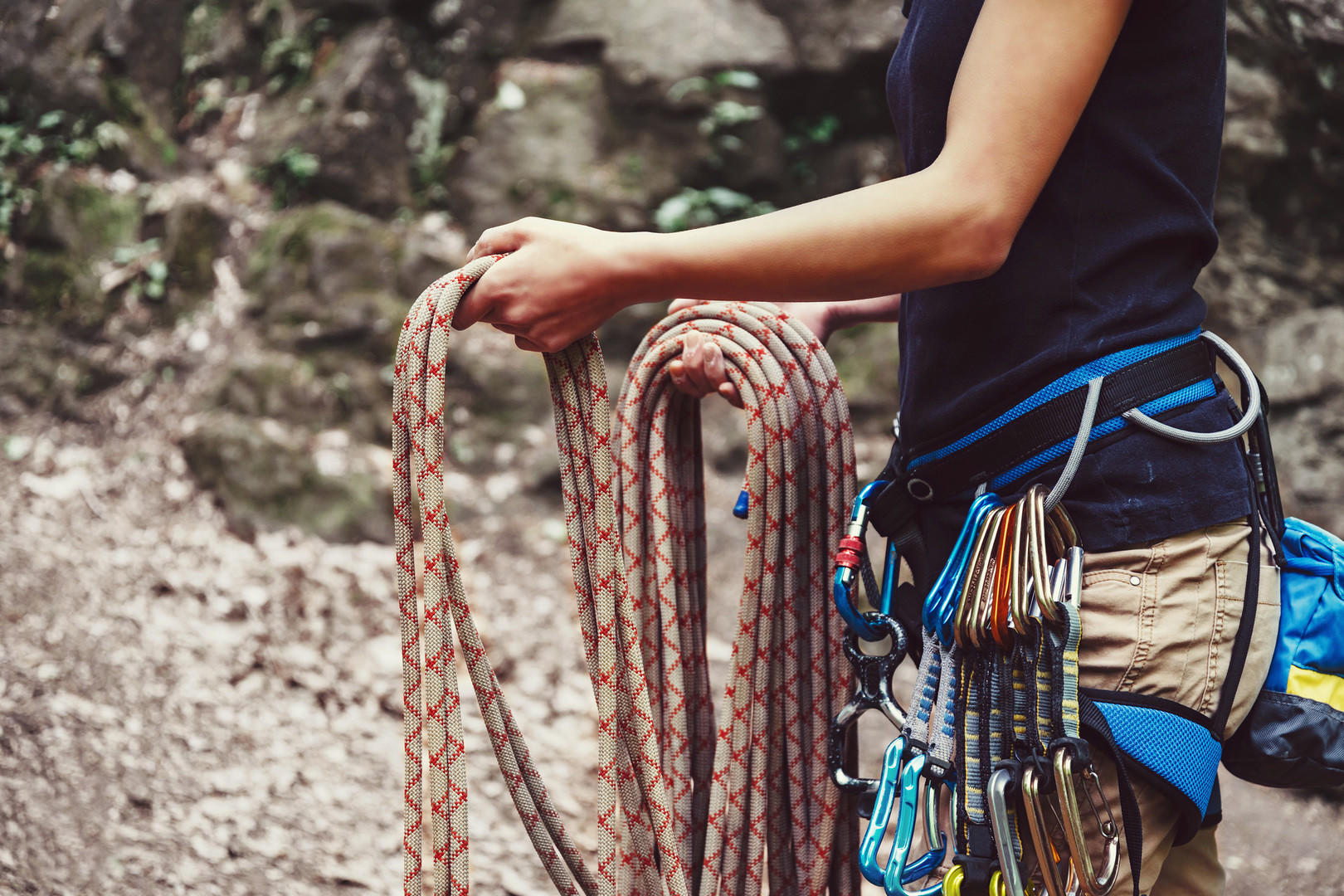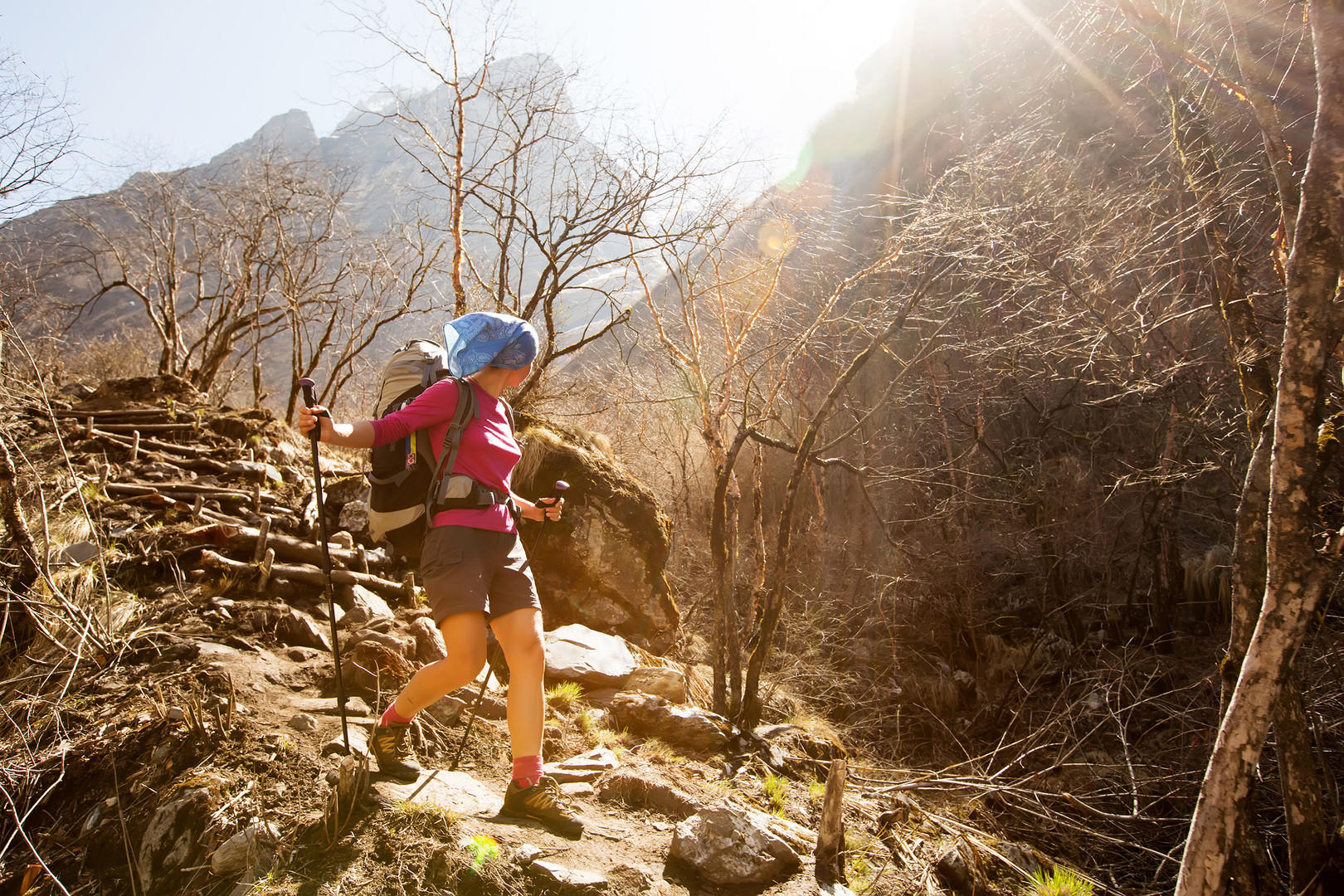
Ultralight backpacking is not a gear fetish. It is a philosophy with practical consequences: a lighter pack moves faster, covers more ground, reduces injury risk over long distances, and changes the quality of the experience in ways that are difficult to describe until you've felt 20 lbs on your back versus 8 lbs on your back for six consecutive hours on a rough trail. After that you understand.
What Is Base Weight?
Base weight is everything in your pack except food, water, and fuel — the items that vary with trip length and are consumed as you go. It's the number that tells you whether your system is working. The traditional backpacker carries a base weight of 25–35 lbs. A "lightweight" setup comes in around 15 lbs. Ultralight is conventionally defined as under 10 lbs. Some people go further — the sub-5 lb "gram weenie" end of the spectrum — but that requires expense, experience, and a tolerance for discomfort that not everyone has or wants.
The sub-10 lb target is achievable without spending thousands of dollars, but it does require making decisions about what you actually need versus what you've been taught to bring. Most of those decisions, it turns out, are in the Big Three.
The Big Three: Shelter, Sleep System, Pack
These three items represent 70–80% of a traditional pack's base weight. They are where the real savings are. Everything else — clothing, stove, first aid kit, electronics — adds up, but it adds up to much less than the cumulative weight of a heavy tent, a heavy sleeping bag, and a heavy pack.
Shelter
A traditional 3-person dome tent weighs 2–3 kg. A quality ultralight shelter — Zpacks Duplex (a two-person DCF tarp-tent hybrid) weighs 430g. That single swap is a saving of 1.5–2.5 kg before you've changed anything else. The trade-off: ultralight shelters are less freestanding, require trekking poles to pitch, and offer less internal volume. For most conditions in three-season hiking, these are acceptable compromises.
Sleep System
A quilt (no hood, no zip, sewn-footbox) replaces a mummy bag and can save 300–500g at equivalent temperature ratings. The Enlightened Equipment Enigma in 10°C rating weighs 400g. A comparable mummy bag typically weighs 700–900g. Quilts feel weird for the first night. Then they feel normal. Then you can't understand why you ever used a bag.
Pack
A traditional 65L pack with a frame, hipbelt, and all the organizational compartments weighs 2–2.5 kg empty. A Hyperlite Mountain Gear 2400 pack weighs 534g at 38L capacity. You carry less because you pack less. This is circular until it isn't — until you realise that a lighter, frameless pack means you have already committed to bringing only what matters.
"Every gram you carry is a tax on every step. File your return carefully."
Kitchen and Water
Going stoveless — eating only foods that don't require cooking — is the most divisive ultralight decision and probably the most effective single cut for weekend trips. No stove, no pot, no fuel canister. You save roughly 400–600g depending on your system. Cold-soaked meals (oats, couscous, dried beans left to rehydrate in a jar) work fine for 2–3 day trips if you're prepared for the psychological shift of not having hot food at camp.
For trips longer than three days, a hot meal matters for morale. The BRS-3000T canister stove weighs 25g — barely more than nothing — and resolves the problem without significant weight penalty if you limit cooking to one hot meal per day.
For water, the Sawyer Squeeze filter (97g) is the standard ultralight solution: effective, light, and reusable across hundreds of uses. Chemical purification tabs are lighter (essentially weightless) but take 30 minutes per treatment and taste of iodine. Both have their place depending on water source quality and your tolerance for waiting.
The Cuts You'll Resist
When to Ignore All This
Winter backpacking requires insulation, redundancy, and safety gear that makes sub-10 lb impossible without dangerous compromises. Solo hiking in genuinely remote terrain requires emergency equipment that adds weight. Technical routes require hardware. Children require patience and extra layers and the kind of weight acceptance that no gear list can eliminate.
Ultralight principles are tools, not dogma. The goal is not the lowest number on the scale. The goal is to carry exactly what you need and nothing you don't, and to make that assessment honestly every time you pack. Most of us could cut 20% of our usual kit without noticing it's gone. Start there.
The Spreadsheet Is Not Enough: Why You Have to Shake Out the Pack
Every serious ultralight hiker I know has a gear spreadsheet. Mine lists 47 items with weights in grams, organized by category, with a running total and a per-person weight for group trips. It is excellent and entirely insufficient. The spreadsheet tells you what you intended to pack. The only way to know what you actually packed is to take everything out of the bag, weigh it on a kitchen scale, and confront the difference.
The first time I did this seriously, before a Sierra Nevada traverse in late summer, I found 340g of items I had no memory of putting in. A multi-tool I'd used the trip before and not removed. A half-empty first aid kit that duplicated items I'd already packed in a smaller kit. Two fuel canisters when one was more than enough. A cable for a device I wasn't bringing. None of these items felt significant individually. Together they were the weight of a full water bottle. More concretely: they were roughly ninety minutes of carrying at my pace over rough terrain. I weighed the ninety minutes and decided it wasn't worth it.
Weigh everything, once, before every significant trip. Not just new purchases. Everything. Gear accumulates unnoticed mass the same way desk drawers accumulate unnoticed objects. The process is tedious and reveals things about your packing psychology that are occasionally uncomfortable. That's the point.
Clothing Systems: Where Most People Have Four Extra Items
The clothing mistake is not bringing too many items of one type. It's bringing too many types. I see this on the trail consistently: three separate mid-layers (fleece, insulated jacket, puffy vest) where one good layering piece would cover the functional range of all three. The instinct is understandable — each item solves a specific scenario — but the scenarios overlap significantly in practice and the weight of the redundancy is real.
For a three-season trip in variable conditions, the functional clothing list is shorter than most people believe. A base layer that's worn while moving. A mid-layer that goes on at stops. A hard-shell that handles rain and wind. Those three things plus the clothes you hike in cover an enormous range. The fourth, fifth, and sixth items are the ones to scrutinize. They're also usually the newest purchases, which makes scrutinizing them psychologically difficult. Buy less, justify less.
Footwear deserves its own note. The industry push toward lightweight trail runners rather than traditional heavy boots is one of the few genuine improvements in ultralight thinking over the past decade. A trail runner that fits your foot well weighs 300–400g per pair. A traditional leather hiking boot weighs 600–900g. Over a full day on trail, every step you lift those boots is additional work. After 30,000 steps, that's a calculable energy cost. The counterargument — ankle support — has been substantially undermined by research suggesting that conditioning and proprioception matter more than rigid support for most people on most trails. Try the trail runners. Many people don't go back.
What We Carried
- DCF tarp-tent (two-person, single-wall, requires trekking poles) — 430g, no groundsheet required on most surfaces
- Down quilt rated to 5°C — 380g; warmer quilts exist but this covers three-season conditions with a sleeping pad
- Frameless hyperlite pack (38L) — 534g empty; pack only what fits, discipline built in by design
- Synthetic insulated jacket (not down) — lighter than equivalent down at moderate warmth levels, doesn't collapse when wet
- Lightweight hardshell jacket, 2.5-layer — 380g; no pit zips, no embroidery, just waterproofing
- Trail runners (low-cut, stiff midsole) — weighed and chosen over boots; saved 400g, cost zero stability on this terrain
- Titanium pot (750ml, handles fold flat) — also serves as cup; no separate mug
- BRS-3000T canister stove — 25g; bring one canister per four days per person
- Sawyer Squeeze water filter — 97g; backflush after every three days of heavy silty water use
- Closed-cell foam sleeping pad (Z-fold, 3/4 length) — 185g; supplement with pack padding under legs on cold nights